
Key Takeaways
Transitioning from an enterprise-grade engagement platform like Braze requires a targeted strategy that prioritizes data security and seamless integration. Here is a summary of the critical path for your HR tech communication upgrade.
- Audit existing PII data flows to ensure strict compliance during the migration process.
- Evaluate platforms based on their ability to handle complex, asynchronous employee communication cycles.
- Prioritize tools with native HRIS integration to maintain a single source of truth for user metadata.
- Assess total cost of ownership beyond licensing fees, including implementation and maintenance overhead.
- Focus on feature parity for automated lifecycle triggers before fully decommissioning legacy systems.
Why HR tech requires unique communication capabilities
Prioritizing employee privacy and data compliance
Human resources data is highly sensitive personal information that requires rigorous protection standards. Unlike consumer marketing, where data is often commoditized, internal HR communication must operate within strict regulatory frameworks such as GDPR and CCPA. Every communication trigger must be audited to ensure it contains only the necessary employee attributes, effectively mitigating the risk of unauthorized PII exposure.
Managing the full employee lifecycle journey
Communication strategies in HR must bridge the gap between initial onboarding and long-term professional development. Platforms must support non-linear paths, where an employee’s journey might involve transitions between departments or international relocations that reset specific trigger conditions. Maintaining continuity through these stages prevents message fatigue and ensures that internal engagement feels relevant to the employee’s current tenure and role.
Integrating with existing HRIS and payroll infrastructure
Your communication stack exists within a broader ecosystem of legacy operational tools. A successful platform must allow you to leverage Anthropic Claude for optimizing employee documentation and ensuring that data from payroll systems is correctly mapped to messaging segments. When the underlying identity data is fragmented, internal messaging inevitably fails, leading to outdated or irrelevant notifications reaching your staff.
Scaling internal communication across hybrid workforces
Modern workforces are geographically dispersed, necessitating a move away from office-centric communication models. Effective scaling requires platforms that monitor message deliverability across different time zones and localized devices. You should examine how AI alternatives for B2B sales teams might adapt to internal structures to improve engagement quality if you need to maintain a consistent cultural pulse across remote and in-office teams.
Essential features to look for in Braze alternatives

Omnichannel messaging capabilities beyond email
Internal HR reach requires a mix of Slack, Microsoft Teams, SMS, and in-app notifications. Relying on a single channel often leads to low open rates because employees have different notification preferences and digital habits. You need a platform that supports the following essential channels for comprehensive internal reach:
- Messaging through secondary mobile applications or secure intranet portals.
- Push notifications triggered by critical policy updates or payroll deadlines.
- Direct integration with internal collaboration suites like Slack or Teams.
- SMS alerts for time-sensitive, emergency, or organization-wide announcements.
Integrating these channels allows for consistent, multi-touch engagement that meets employees where they work daily. When configured with clear logic, this approach ensures that high-priority communications are not buried within a cluttered inbox.
Advanced segmentation for diverse employee roles
Internal audiences are rarely monolithic; they consist of varied roles, departments, and seniority levels. Effective alternatives must allow for granular segmenting based on dynamic metadata, such as time in seat, department manager, or specific project involvement. This personalization is vital to avoid irrelevant communications that degrade trust in HR messaging.
Real-time automation workflows for onboarding
Onboarding is a high-stakes, time-sensitive period that determines early employee success. Your chosen platform should handle complex, real-time trigger workflows that activate as soon as a new record enters the HRIS. This prevents the common "first-day gap" where employees are left waiting for resources or vital login instructions.
Analytics and sentiment tracking for HR initiatives
Quantifying the impact of an HR communication initiative requires more than simple open rates. Look for platforms that offer reporting on sentiment shifts and engagement patterns tied to specific policy rollouts. Understanding how your staff interacts with internal content allows you to pivot your communication approach before initiatives fail to gain momentum.
Top Braze competitors for internal communication

MoEngage for cross-platform automation
For teams needing MoEngage as an alternative to Braze, the platform provides strong cross-channel orchestration capabilities. It is particularly effective for teams that need to synchronize triggers across mobile and desktop environments without heavy reliance on developers. The focus on behavior-driven triggers makes it a reliable choice for maintaining active communication with mobile frontline workers.
Salesforce Marketing Cloud for enterprise HR suites
For large-scale organizations, Salesforce Marketing Cloud allows for deep integration with the broader Salesforce ecosystem used by many HR departments. It offers extensive workflow modularity, enabling administrators to build complex, multi-stage communication journeys. While it requires a steeper learning curve, it remains a strong candidate for firms already committed to the Salesforce data architecture.
CleverTap for behavior-driven engagement
CleverTap excels in providing real-time data processing for engagement that responds immediately to employee actions. By focusing on deep behavioral analytics, it enables HR teams to create more personalized messaging sequences. It is a preferred option for organizations that view internal engagement through the lens of continuous behavioral insight rather than simple broadcast messaging.
Intercom for personalized HR support portals
Intercom provides a conversational interface that can be adapted for internal HR support portals. Instead of push-only messaging, Intercom enables bi-directional support queries, allowing employees to get answers to common HR policy questions through a familiar chatbot interface. This reduces ticket volume for the HR team while providing immediate, high-value assistance to employees.
Integrating HR tech platforms with communication tools
Using API-first solutions for seamless data exchange
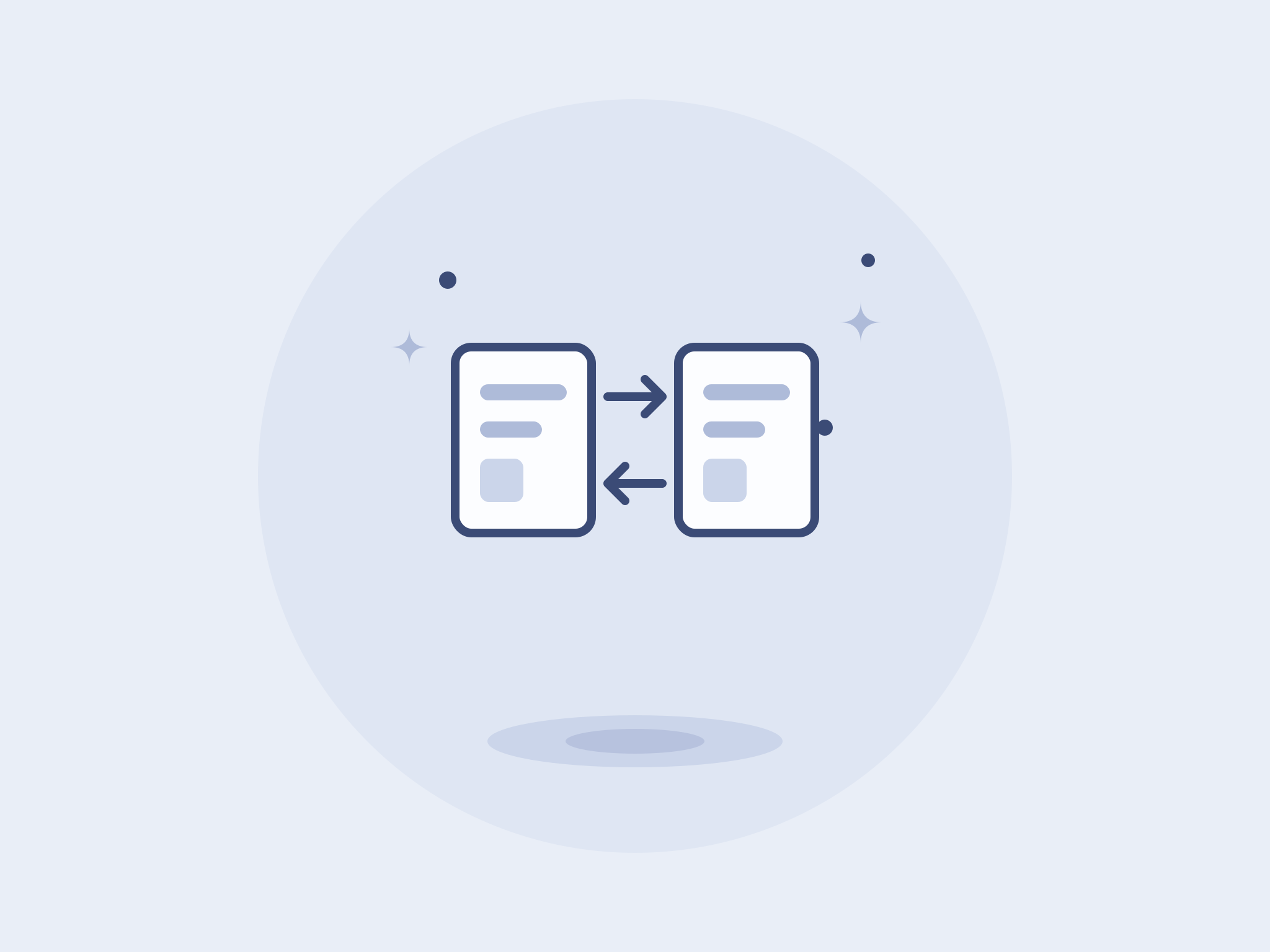
Modern HR stacks rely on robust API connectivity to ensure that communication triggers operate on current data. A platform must have well-documented endpoints that allow you to push employee attributes as soon as they change in your HRIS. Using an API-first approach prevents the latency issues that often cause communication failure during time-sensitive transitions.
Handling sensitive employee data with secure webhooks
When transferring sensitive data between HRIS and communication tools, webhooks are essential for security. By utilizing encrypted endpoints, you ensure that PII is protected during transit. The table below illustrates the typical integration points required for maintaining security across your stack.
| Integration Component | Functionality | Security Protocol |
|---|---|---|
| HRIS Sync | Employee Attribute Mapping | OAuth 2.0 / TLS |
| Communication Trigger | Event-Based Messaging | AES-256 Encryption |
| Audit Reporting | Log Access Retention | Role-Based Access Control |
Implementing these protocols correctly ensures that your messaging platform remains compliant even while handling large, dynamic datasets. This setup forms the backbone of a secure, professional, and efficient internal communication operation.
Maintaining single source of truth between HRIS and messaging
Fragmentation occurs when the HRIS holds one profile address and the communication platform holds an outdated one. You must implement periodic reconciliation scripts to ensure that user IDs and preferences stay synchronized. Failing to maintain this truth often results in duplicate messages or critical updates being sent to deleted or inactive accounts.
Addressing security requirements and audit logs
Internal HR systems are high-value targets for internal and external threats, requiring persistent audit logging. Any valid engagement platform should provide immutable logs detailing who accessed data and what communications were sent to specific employees. Maintaining detailed audit trails simplifies internal security reviews and demonstrates due diligence to organizational stakeholders.
Strategic considerations for switching from Braze
Migrating historical employee engagement data safely
Moving away from an established system requires a cautious approach to preserving historical engagement metrics. You should prioritize data portability and ensure that historical behavioral trends are exported in a format that your new system can interpret. Avoiding data loss during the transition ensures that your new platform starts with a grounded set of insights.
Balancing time-to-market with feature parity
There is a natural tension between launching a new communication platform quickly and ensuring feature parity. Most teams find it effective to launch a minimum-viable communication cycle that covers essential announcements first, then gradually migrating specialized automated sequences. Trying to replicate everything at once often stalls the deployment and compromises the quality of initial migrations.
Evaluating total cost of ownership for HR teams
Beyond simple subscription fees, consider the operational costs of maintaining a platform. This includes the engineering time required for custom API maintenance, the training costs for HR administrators, and the potential impact of tool downtime during the transition period. A lower licensing cost is quickly negated if the platform requires excessive bespoke development to function for your HR use case.
Assessing technical resource requirements for implementation
Switching systems is not solely an HR task; it requires dedicated technical resource allocation. Ensure that your GTM or engineering teams are aligned on the implementation timeline so that the necessary data fields and webhook listeners can be configured correctly. Without this internal alignment, deployment delays are nearly guaranteed.
Conclusion
Selecting a communication platform for HR operations is a strategic decision that transcends simple software sourcing. By emphasizing secure data handling, seamless integration with your primary HRIS, and clear objectives for employee engagement, your team can build a flexible communication infrastructure. Focus on sustained data hygiene and iterative implementation to ensure that your chosen platform remains an asset that scales with your organization over time.
Frequently Asked Questions
How does internal communication differ from external marketing?
Internal communication requires a much higher threshold for data privacy and regulatory compliance, whereas external marketing prioritizes broader reach and lead conversion. HR tech needs to focus on reliability and security because the audience is a defined, long-term group of stakeholders.
Can I use a standard marketing platform for HR communications?
While technically possible for some broadcast messages, standard marketing platforms often lack the granular security controls required for HR. You may find that marketing tools struggle to handle the specific metadata security requirements for sensitive employee payroll or role-based data.
What is the biggest risk during an platform migration?
Data leakage and fragmentation are the primary risks. During the transition, if the sync between your HRIS and the new platform is not flawless, you risk sending outdated messages or compromising secure PII through an unconfigured webhook.
How often should HR audit their communication platform?
HR teams should audit their platform security and data access logs at least once every quarter. This frequency ensures that any unintended access to sensitive metadata is identified quickly and addressed before causing operational or regulatory issues.
Are there specific challenges for hybrid-workforce communication?
Hybrid models require balancing asynchronous updates with real-time notifications across multiple time zones. Platforms must reliably handle delivery scheduling so that critical announcements arrive during an employee's local working hours, regardless of where they are located.
How do I measure the success of an HR communication initiative?
Success should be measured through engagement quality, such as interaction with critical policy documents and sentiment feedback after major internal announcements. Using engagement benchmarks helps determine if your messages are actually fostering the intended cultural outcomes.
What metadata is critical to sync between systems?
Crucial metadata includes role status, department, location, and hire date. These fields allow for precise segmentation of messages, ensuring that employees receive only relevant updates, which improves trust and overall system engagement.